



U.CONVO: A Full-Stack Real-Time Chat App with AI Insights
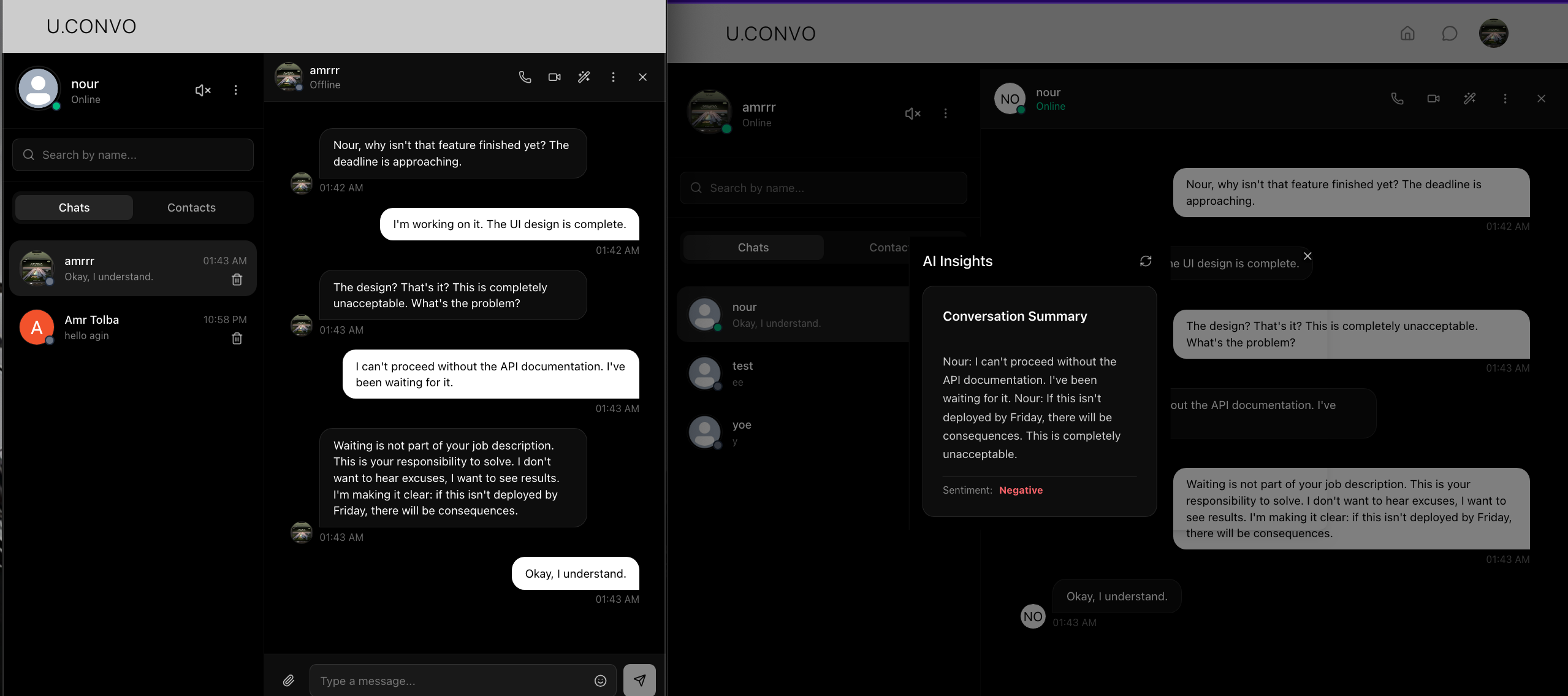
A complete, full-stack real-time messaging application built with Next.js, Node.js, and Socket.IO, featuring an AI-powered insights panel for conversation summarization and sentiment analysis.
Personal Full-Stack Project
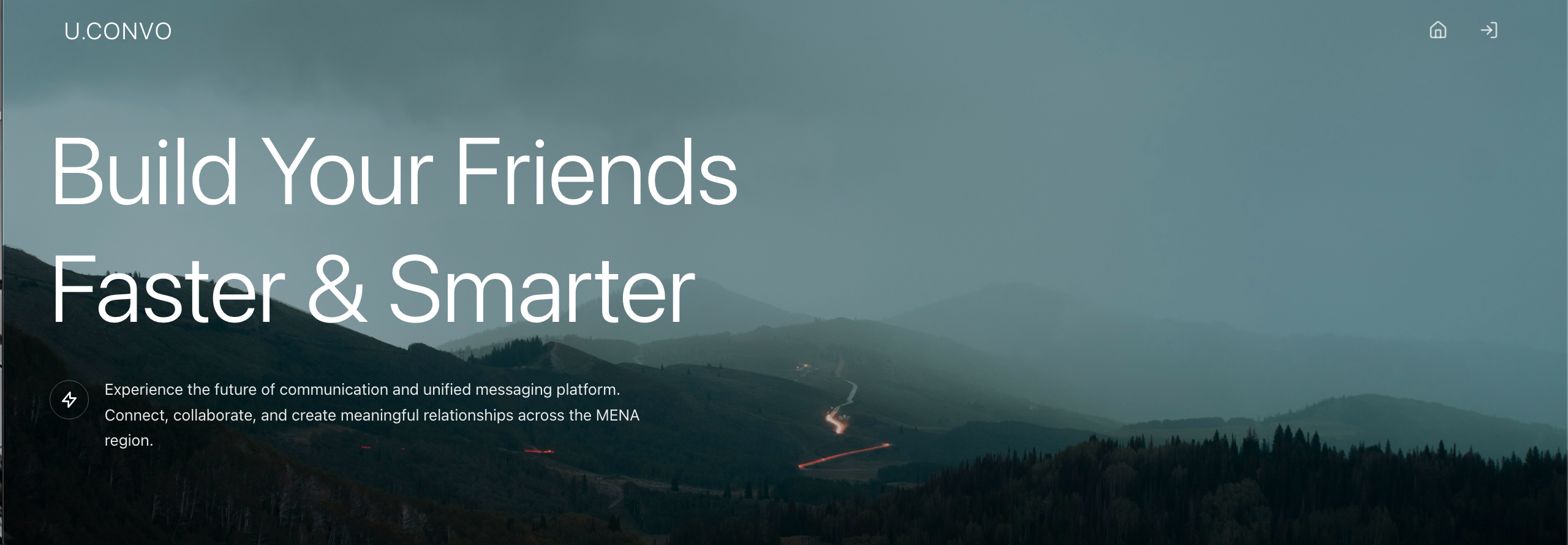
Project Objective
The goal of U.CONVO was to build a full-stack, real-time "Smart Communication Hub" from the ground up. This project served as a comprehensive challenge to demonstrate a strong command of modern web technologies, security best practices, and scalable architecture.
Technical Architecture

Next.js (App Router) & React 19
The frontend was built with Next.js for its powerful features like Server Components and Middleware for route protection. React 19 was leveraged for its latest features, while Zustand provided a simple yet powerful solution for global state management (auth, chat state, and socket connection).

Node.js, Express & Socket.IO
The backend is a Node.js server powered by Express to handle RESTful APIs for authentication and data, while Socket.IO manages the persistent WebSocket connection for all real-time features like instant messaging and online status updates.

PostgreSQL & Prisma
PostgreSQL was chosen for its reliability as a relational database. Prisma served as the ORM, providing excellent type-safety and a declarative schema that made database interactions predictable and easy to manage.

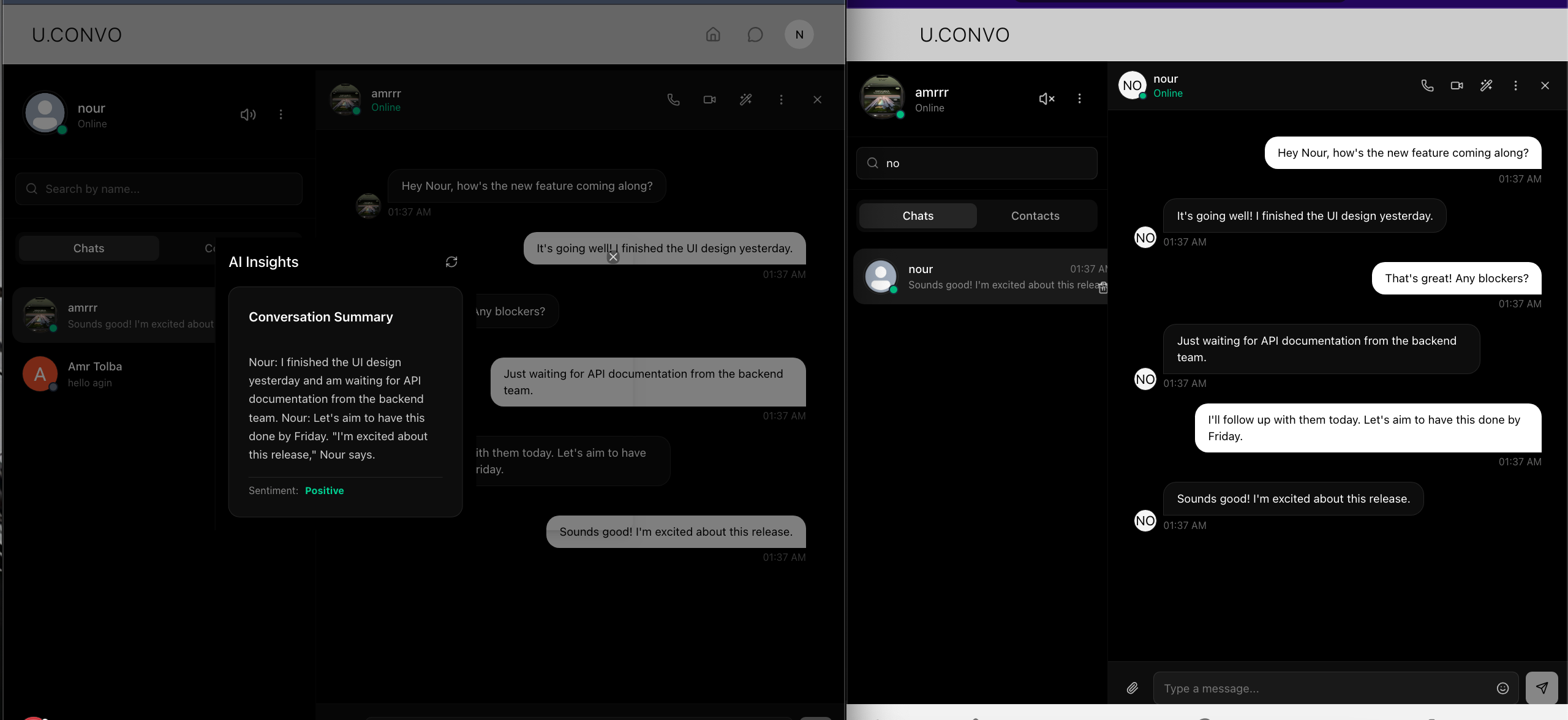
Hugging Face API for AI
To power the "Smart Insights" panel, the Hugging Face Inference API was integrated. It utilizes pre-trained models for on-demand conversation summarization and sentiment analysis, adding a layer of intelligence to the application.
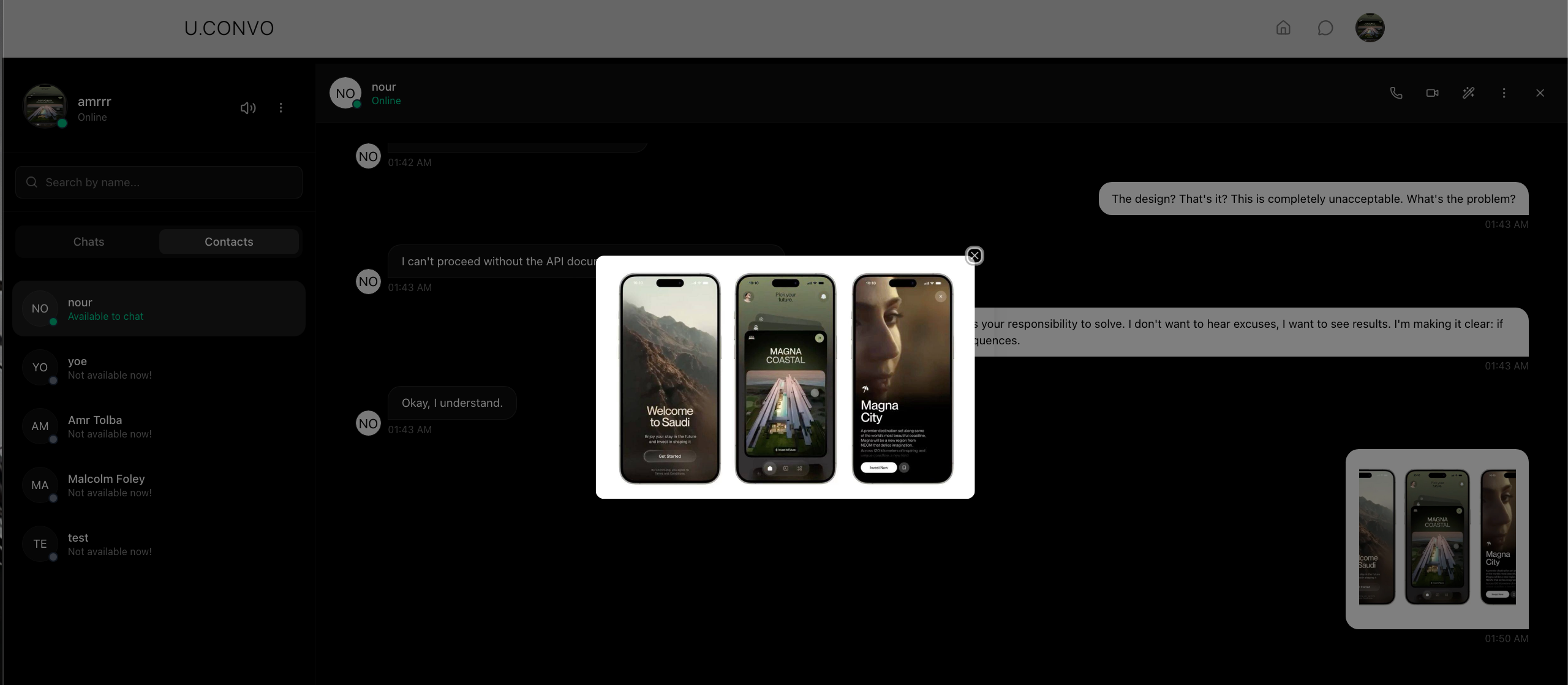
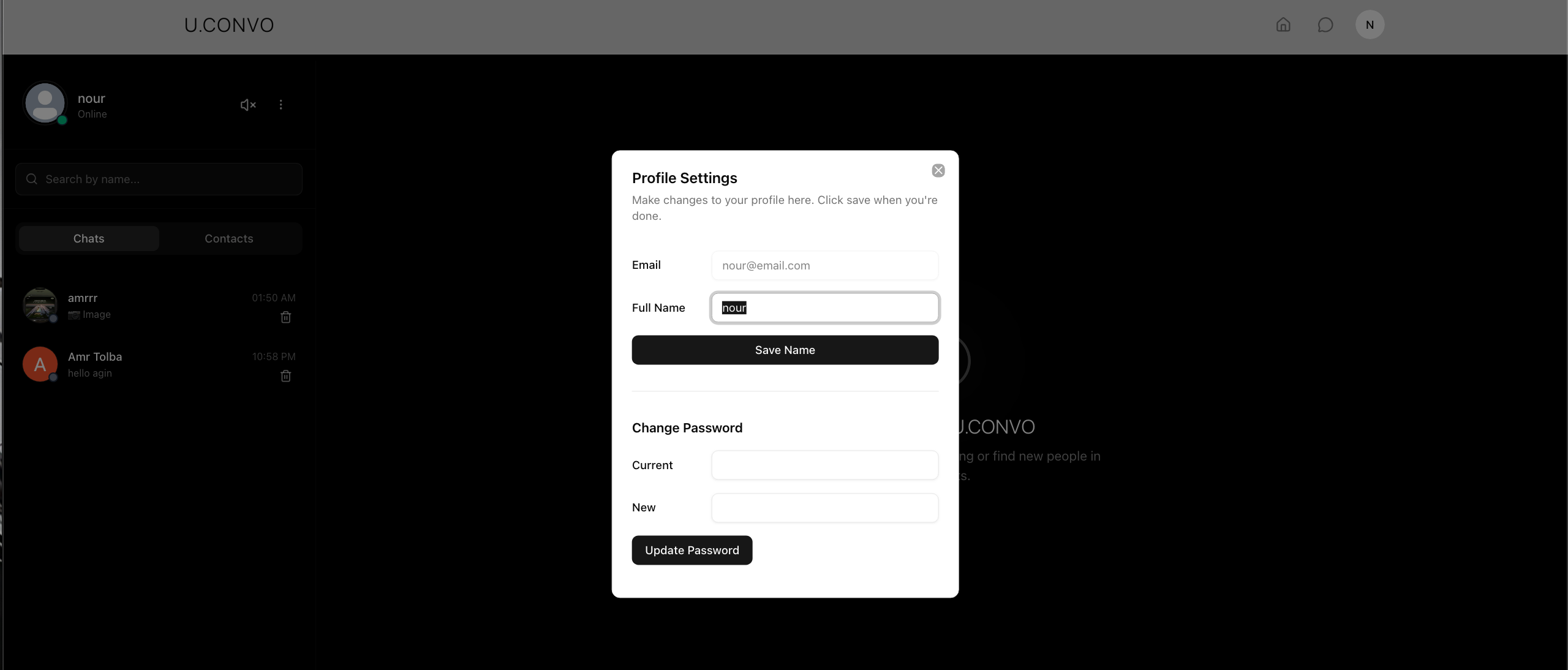
Visual Assets
Logic & Challenges
One of the core challenges was architecting the real-time communication layer to be both efficient and secure. For this, I implemented Socket.IO for WebSocket connections. The key was to manage the socket lifecycle—connection, authentication, and event handling—without cluttering the React components. I solved this by centralizing all socket logic within the Zustand store. This approach not only decoupled the real-time layer from the UI but also made state synchronization across components seamless and predictable. Learning Zustand for the first time was a challenge in itself, but its simplicity and minimal boilerplate proved to be a perfect fit for managing both client-side state and complex server interactions like live chat.
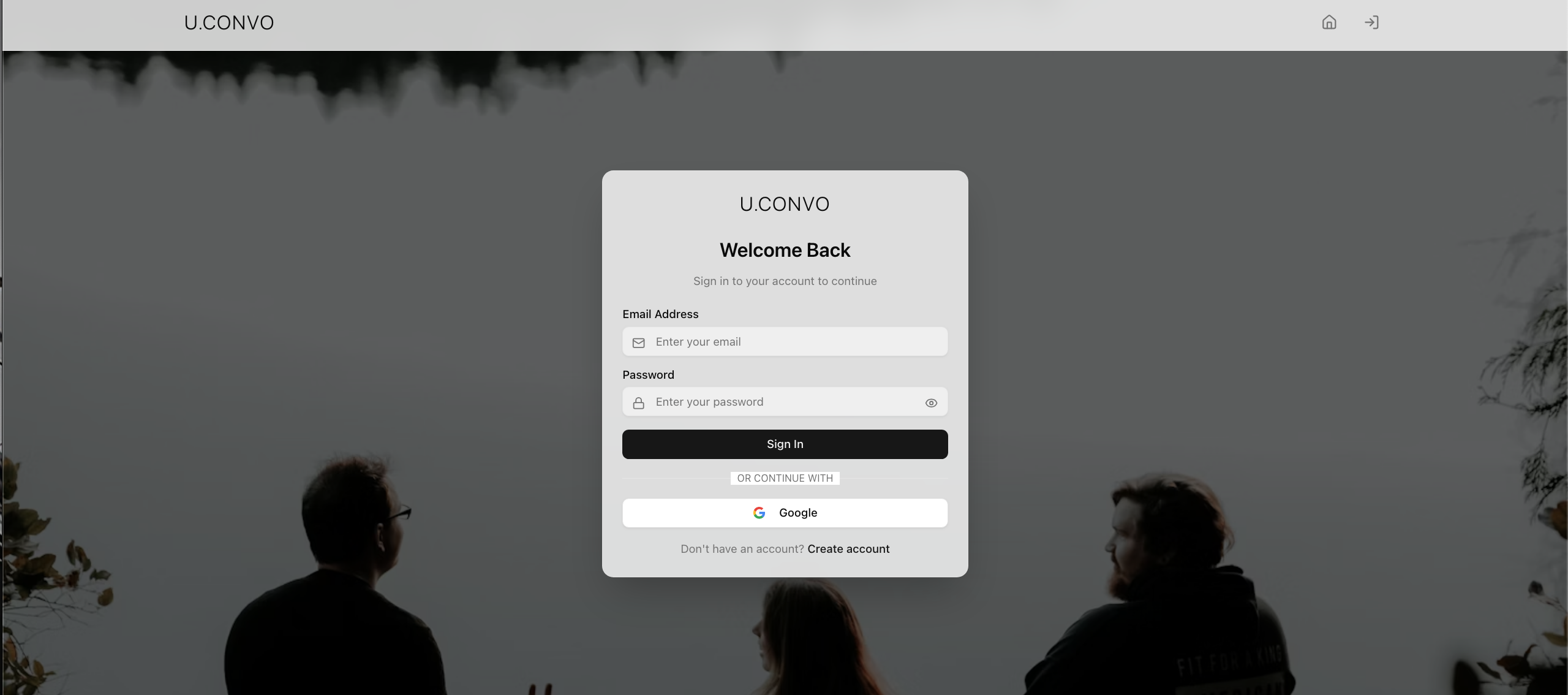
Another significant challenge was securing the application against modern web threats. Instead of relying solely on standard authentication, I integrated Arcjet as a security layer. This involved implementing middleware in the Node.js backend to handle rate limiting, bot detection, and protect against common attacks like SQL injection. The most interesting part was configuring the rules to balance security with user experience—blocking malicious bots while allowing legitimate ones like search engine crawlers. This proactive approach to security ensured the application was not just functional but also resilient from the start.
Final Analysis
Building U.CONVO was a deep dive into architecting a modern, production-ready application. A major takeaway was implementing a secure real-time layer from scratch using Socket.IO. I learned not just how to broadcast events, but how to manage authenticated connections and synchronize online statuses efficiently across all clients.
Integrating Arcjet taught me the importance of proactive, layered security. Moving beyond basic authentication, I learned to configure rules for rate limiting and bot detection, providing a crucial defense against automated threats.
Finally, this project was my first significant experience with Zustand. It solidified my understanding of centralized state management in a modern React environment, especially for handling asynchronous and real-time data flows in a clean, scalable way. Combining these technologies, from the database with Prisma to the real-time updates on the frontend, reinforced my ability to build and connect all the components of a complex full-stack system.
Additional Logs
The Story Behind "U.CONVO"
U.CONVO was a personal project designed to build a complete, AI-enhanced chat application from scratch. My goal was to architect a secure, real-time platform that merged a powerful backend with a modern, reactive frontend.
A key focus was the real-time layer, built with Socket.IO. Managing authenticated connections and ensuring the UI updated instantly—handled by Zustand—was a rewarding challenge. Another significant part was the AI Insights panel. Integrating the Hugging Face API involved testing various models and using prompt engineering to significantly improve the quality of AI-generated summaries for dialogue.
Ultimately, this project demonstrates my ability to connect all the pieces of a complex full-stack system: from a secure backend and real-time services to an intelligent, responsive user interface.
Explore More Projects

ImagineYourHome_Furniture: A Foundational Landing Page Project
A fully responsive, static landing page built from scratch with foundational web technologies. This early personal project was a deep dive into mastering HTML, CSS, and interactive JavaScript.
Sahla LMS: A Multi-Tenant B2B2C SaaS Learning Platform
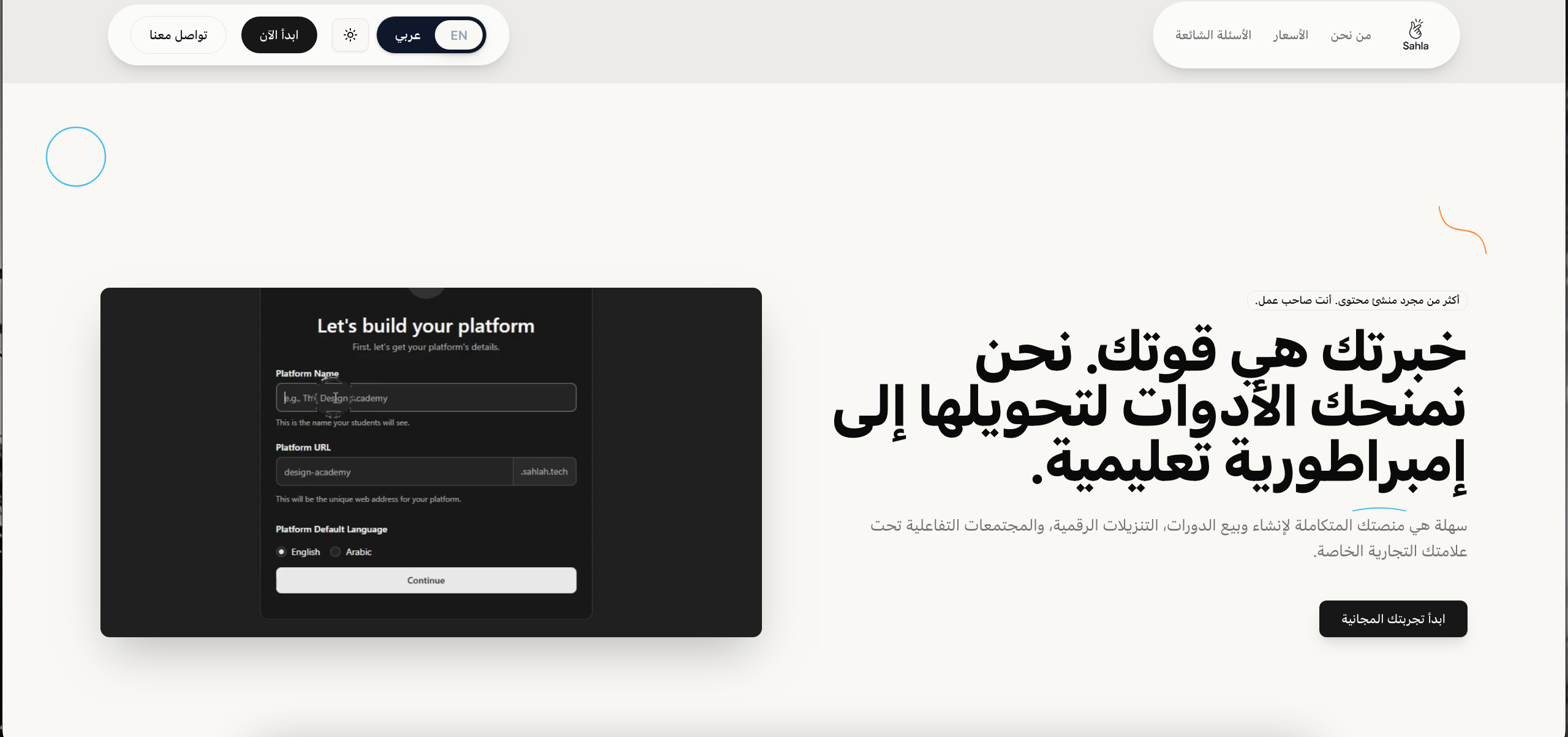
A full-stack, multi-tenant B2B2C LMS empowering instructors to launch their own branded online academies with features like a drag-and-drop page builder, AI quizzes, and interactive coding playgrounds.
Thoughts: A Full-Stack Blogging Platform
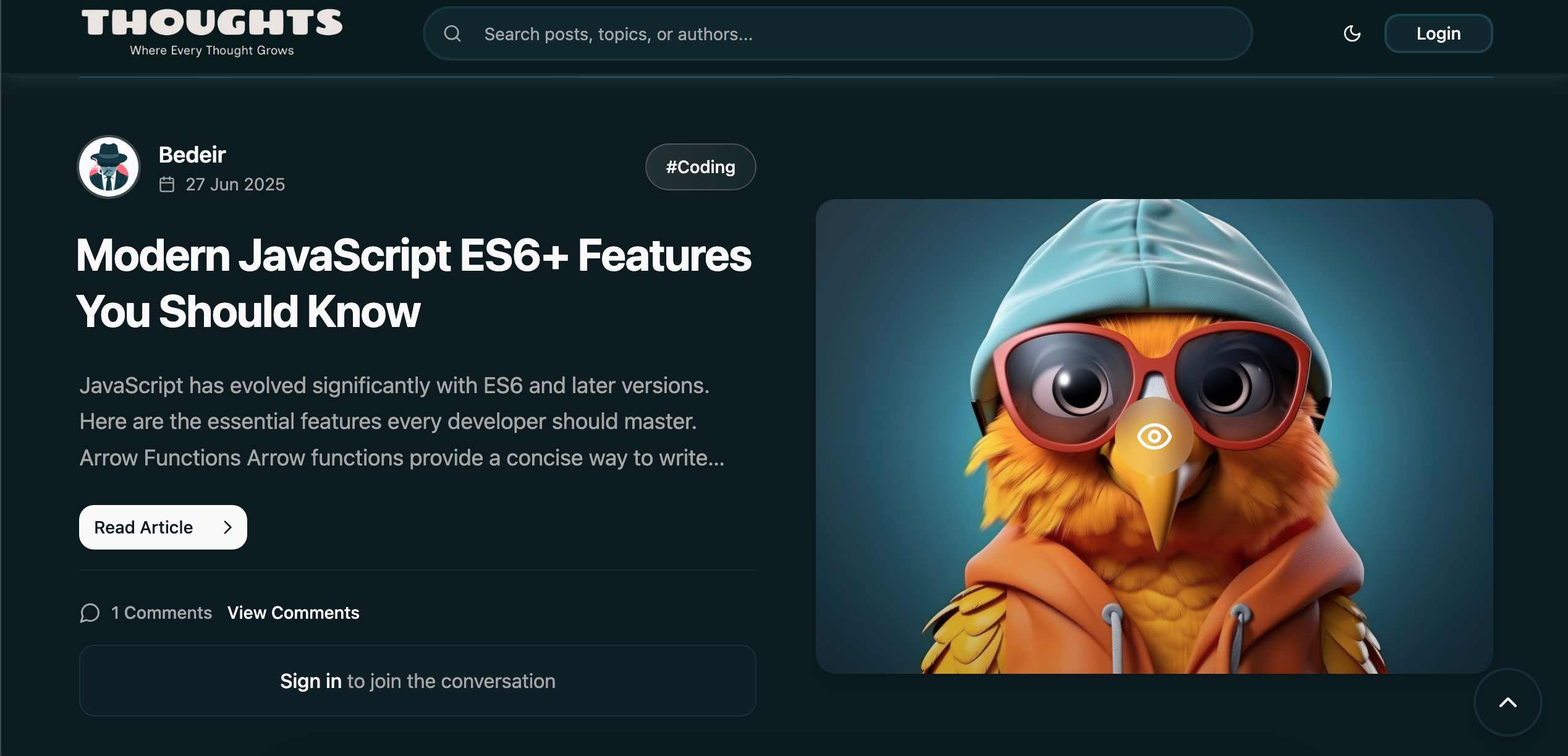
A complete blogging platform built from scratch with a Node.js backend and a React frontend, featuring user authentication, post management, and a real-time commenting system.
LINK